
Diploma In Occupational Therapy
This CPD-accredited and QLS Endorsed Occupational Therapy course equips you with essential skills in working with adults and children, understanding physical disabilities, and using creative activities in therapy. Enrol today to gain the knowledge needed to become a qualified Occupational Therapist and enhance lives.




Diploma In Occupational Therapy
Original price was: £415.£25Current price is: £25. ex VATExclusive Deal! 94% Off, Today Only!
 All courses for
£99
All courses for
£99 


 1 Year Access
  Level 5
 574 Students
 -
 3 weeks, 6 days
- Original price was: £415.£25Current price is: £25. ex VAT
- 1 year
- Level 5
- Number of Units77
- Number of Quizzes2
- 3 weeks, 6 days Gift this course
 14-Day Money-Back Guarantee
Overview
Occupational Therapy helps individuals regain independence in daily tasks, whether due to injury, illness, or disability. In the UK, over 40,000 occupational therapists play a vital role in improving lives. This course provides the foundational knowledge and practical skills needed to start a career in this rewarding field.
Our Occupational Therapy course covers key aspects like working with adults and children, basic anatomy, and physical disabilities. You’ll also learn about using creative activities in therapy, building leadership skills, and understanding client development. By completing this course, you’ll be equipped to apply your knowledge professionally.
If you want to build a meaningful career in Occupational Therapy, this Occupational Therapy course offers everything you need. Enrol now to start improving lives and advancing your career!
Gift Courses Included
- Course 01: Level 3 Diploma in Cognitive Behavioural Therapy – QLS Endorsed
- Course 02: Counselling and Psychotherapy
- Course 03: Neuropsychology & Development of Children
Learning Outcomes
- Explain the core principles and scope of occupational therapy practice.
- Understand foundational anatomy and physiology related to injuries.
- Identify and describe various common developmental disorders and conditions.
- Utilise creative activities to support client development and recovery.
- Apply basic management and essential leadership skills effectively.
- Recognise stress coping strategies and Maslow’s Hierarchy of Needs.
Why choose Diploma in Occupational Therapy Course?
- Level 5 QLS Endorsed and CPD Accredited Course
- No need to worry about hidden charges
- Tutor assistance on every weekday
- Practical and honest assessments performed immediately
- Personal PDF certificate awarded on passing
- Gain valuable and recognised experience without leaving your home
Who is this training for?
- Aspiring Occupational Therapy Assistants
- Healthcare Support Workers
- Caregivers or Family Members
- Rehabilitation Assistants
- Individuals Considering a Career
- Professionals Seeking New Skills
Certificate of Achievement
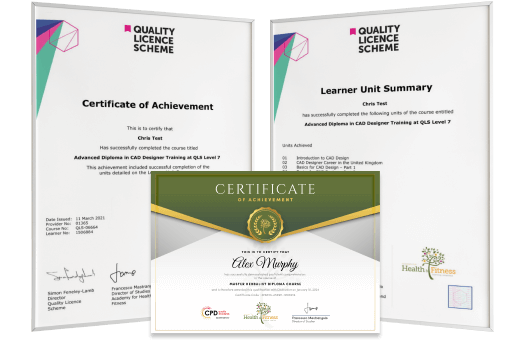
Endorsed Certificate of Achievement by the Quality Licence Scheme
Upon completing this course, learners will be eligible to receive an endorsed certificate as evidence of their achievement. For just £119, learners can order an endorsed certificate, which will be delivered to their home address. International students will need to pay an additional postage charge of £10.
CPD Certification from HF Online
Complete the assessment to get a CPD Certificate. Digital certificate: £10. Printed UK copy: £29. Printed international copy: £39.
Endorsement
This course is of high quality and endorsed by the Quality Licence Scheme. However, it is not regulated by Ofqual and is not an accredited qualification. For further information on recognition and progression routes, please contact the Academy for Health & Fitness or visit the Learner FAQs on the Quality Licence Scheme website.
Method of Assessment
This course is of high quality and endorsed by the Quality Licence Scheme. However, it is not regulated by Ofqual and is not an accredited qualification. For further information on recognition and progression routes, please contact the Academy for Health & Fitness or visit the Learner FAQs on the Quality Licence Scheme website.
Career Path
Occupational Therapy Assistant (OTA)
Works under the direction of an Occupational Therapist, helping clients with daily activities. Average salary: £18,000 – £25,000.Rehabilitation Support Worker
Assists individuals recovering from injury or illness with therapeutic exercises and routines. Average salary: £19,000 – £24,000.Care Coordinator (Health/Social)
Manages and coordinates care plans, often involving therapeutic and occupational support. Average salary: £23,000 – £30,000.Community Support Worker (Physical Disability)
Provides support to help people with physical disabilities live independently in the community. Average salary: £18,000 – £23,000.Activity Coordinator (Care Home/Hospital)
Plans and leads activities to promote health, well-being, and social engagement for residents/patients. Average salary: £18,000 – £22,000.Disability Service Advisor
Advises individuals and families on services, equipment, and resources for managing a disability. Average salary: £20,000 – £28,000.Therapy Assistant (Paediatrics)
Assists therapists in delivering therapeutic interventions and activities for children. Average salary: £19,000 – £26,000.Wellbeing and Resilience Coach
Uses principles of occupation and coping strategies to help clients improve mental well-being. Average salary: £22,000 – £32,000.Mental Health Support Worker (Rehabilitation Focus)
Helps clients with mental health issues re-engage in meaningful daily occupations. Average salary: £20,000 – £28,000.Further Study (BSc/MSc in Occupational Therapy)
Provides a foundation for advanced university study to become a fully qualified, registered Occupational Therapist. Average salary: £28,407 – £34,581 (NHS Band 5).
Recommended Courses

Care Certificate Course - Standards (1 to 16)
 20487
20487
5
View More

Health and Social Care Level 5 Diploma
16426
4.5
View More

Advanced Diploma in Life Coaching & Mentoring at QLS Level 7
14123
4.7